The Wallace Collection museum, the Royal Botanical Gardens at Kew, St Pancras Renaissance Hotel and countless historic European castellos, borgos and villas are only a number of the venues now we have planned weddings at that fall into the heritage, public or famous categories. Should you love the thought of a grand celebration at a palace akin to Blenheim, an iconic London landmark akin to the Tower of London, or a widely known attraction akin to the Roman Baths, there are just a few belongings you’ll have to find out about hosting a marriage at such an incredible place.
You’ll encounter architecture that needs hardly any decorating, open-mouthed delights from guests, and an utterly immersive experience able to transporting you to a different time entirely, but all this awe does include some caveats.
Heritage Venues, Public/Tourist Attractions & Famous Locations To Get Married In
All of those venues can be found for weddings – some might surprise you!
- Many London museums, including The Natural History Museum, The Wallace Collection, The Old Royal Naval College and London Museum Docklands
- Other iconic London buildings akin to Trinity Buoy Wharf, The Shard and the Tower of London
- An enormous number of London hotels, including historically vital ones akin to The Savoy, The Ritz and The St Pancras Renaissance
- Tourist attractions by day, wedding venues by mid-afternoon akin to Kew Gardens, Syon Park and the Barbican within the UK
- Historic Royal Palaces akin to Hampton Court and Blenheim
- Heritage sites just like the Historic Roman Baths and lots of National Trust properties
Across Europe you will have plenty of wonderful examples of historic venues – Italy, Portugal and Spain are practically overflowing with them, many having been beautifully restored and adapted for weddings.

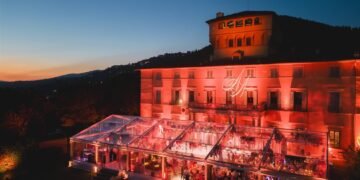
Candy & Sam’s Wedding at St Pancras Renaissance Hotel
7 things you must find out about getting married in a public, historical or famous venue:
1. Open to the general public means restricted access times
Whether within the UK or overseas for a destination wedding, should you get married in a venue that is often open to the general public you’ll have to work with their restricted access times. It is rather unusual to seek out a venue that closes to the general public on the day of your wedding, and in the event that they do offer this then it likely comes at a really high cost. Generally, venues will conform to close sooner than normal – if not entirely, then at the very least in specific areas you will probably be using.
Should you’d prefer to get married in a museum akin to The Natural History Museum, at a tourist attraction akin to Hampton Court Palace, or in a public place akin to Jardines d’Alfabia in Mallorca*, you’ll must be prepared for later start times (which may actually be a blessing at a destination wedding in a hot country!), shorter arrange times on your suppliers, and careful planning.
*Katie and Tom’s wedding at Jardines d’Alfabia, a fantastic botanical garden within the mountains of Mallorca, was an ideal example of this. The venue closed at 3pm to visitors, and while we were allowed in to establish before this we needed to bear in mind that most people was also making use of the spaces at the identical time. Their ceremony took place at 4.30pm, when the most well liked a part of the day was over.

Katie & Tom’s Wedding at Jardines d’Alfabia, Mallorca
*Take a take a look at Katie and Tom’s Jewish destination wedding in Mallorca in full detail.
Should you like the thought of getting your ceremony earlier within the day but can’t yet access your venue, consider getting married elsewhere after which moving to your chosen venue later for dinner and dancing. A lot of our couples, including Daniella and Adam (see below), select to do that, ensuring they’ve loads of time for all of the fun.
2. Check which spaces you might be in a position to use on your wedding
Selecting to get married in a venue akin to considered one of London’s incredible museums can sound like an excellent idea, but quickly sours should you discover they’re actually offering nondescript rooms on your event that may very well be found anywhere. Should you’re celebrating in a historic or iconic location, you actually need the essence of the place to be easily identifiable in your wedding – for instance, dining beneath the blue whale skeleton within the Natural History Museum’s Hintze Hall.
Not all public spaces mean you can use such recognisable parts of their venue on your wedding, often on account of the presence of protected artefacts or danger of injury to very old structures. If it is a dealbreaker, be clear on it before you fall in love with an idea.

Daniella and Adam’s Wedding at The Wallace Collection Museum
Daniella and Adam’s wedding at The Wallace Collection made the most effective of its incredible artwork, they usually and their guests were in a position to have fun alongside paintings, sculptures, armour and ceramics gifted in 1900 – take a take a look at their wedding in additional detail.
3. You will have to select from a supplier list
It will not be unusual for historical or famous wedding venues to insist that you just select from their list of advisable suppliers on your wedding, sometimes in only just a few categories (catering is a giant one) and sometimes more widely – it’s possible you’ll even must use an approved photographer, for instance. Levels of flexibility on this vary. Some venues are strict and won’t work with suppliers they haven’t any experience with, whereas some will agree if a good wedding planner vouches for them.
That is all about protecting the heritage or longevity of the venue, and isn’t in place to be awkward or make your lives difficult. Weddings are big, complex events with plenty of people coming and going, equipment being brought out and in, and a high footfall often moving with haste through what can sometimes be delicate areas. Trust and fame are hugely useful in the marriage industry, so should you’re planning to get married at a public place or historic venue then working with a top wedding planner can really show you how to.
-

- Candy & Sam’s Wedding at St Pancras Renaissance Hotel


Contact Elegante by Michelle J for award winning wedding planning services with over a decade’s experience.
4. Noise restrictions should not unusual in public, historic and famous venues
Noise restrictions, sound limiters and curfews should all the time be considered when viewing a marriage venue, particularly if entertainment may be very vital to you. Take a take a look at our recent guide on avoiding common mistakes when booking your venue. When considering a venue that’s near housing or in a town or city, you possibly can likely expect restrictions on how much noise you possibly can make – this is often aimed toward not disturbing local residents, and within the case of some really grand country estates, possibly even the family still living there.
These restrictions may take the shape of sound limiters, which vary in strictness, deadlines on how late live music will be played outdoors, and even rules about what number of windows will be opened in your dancing space throughout the band’s sets. Knowing this upfront avoids any unpleasant surprises in your wedding day.
-
- Daniella and Adam’s Wedding at The Wallace Collection Museum


5. Consider your ceremony and reception individually
Not all historic venues, tourist attractions and other well-known locations are licensed for marriage, which suggests it’s possible you’ll not have the opportunity to get legally wed there. Whether it is licensed, be sure that you discover out which spaces can be found on your ceremony and the way the day will flow – from guest arrival to welcome drink to ceremony, after which further onto reception, dinner and dancing. Does the walkthrough of the guest experience make sense, and do you like all of the spaces you’re being offered equally?
Should you absolutely love the thought of dancing the night away in an historic royal palace, for instance, but its ceremony spaces should not what you’re searching for, you possibly can all the time decide to have your ceremony (legal or symbolic) somewhere nearby after which travel over for the dinner and party. Similarly, should you’ve fallen in love with the thought of getting your ceremony on the Historic Roman Baths in Bath, you possibly can then go elsewhere on your evening celebrations (even to a wonderful restaurant) and have the most effective of each worlds.
Public venues also make great welcome party spaces, sometimes working even higher for an off-the-cuff gathering than on your whole wedding day event. An ideal wedding planner will guide you thru all of this and suggest venues that work on your wedding vision.
6. Wedding coordinators are sometimes included with historic and public venues, but…
A marriage coordinator is sort of all the time included if you book a venue that may be a heritage site, museum, tourist attraction or other public or iconic location, just because the venue desires to make sure that they’ve someone of their very own team overseeing every thing on the day. Many couples see this and fall into the trap of believing it means they don’t need a marriage planner, but this couldn’t be farther from the reality.
The marriage coordinator is there to oversee your day, yes, but their primary responsibility is to make sure every thing goes well from the venue’s standpoint. Guests not walking into restricted areas, the catering team not parking their van within the unsuitable place, the band being shown to the best green room…they’re not there solely to make sure you will have probably the most magical day possible – that’s the role of your wedding planner.
7. Finally, don’t forget to completely experience this beautiful venue you’ve chosen!
There’s something utterly special about getting married in an iconic location, particularly if it’s somewhere your guests are accustomed to (e.g. Kew Gardens, which can also be a World Heritage Site), hugely appealing to an overseas crowd (a historic royal palace is all the time awe-inspiring for US-based guests) or has innate, immediately recognisable grandeur of its own kind.
Don’t forget to recognise and honour just how beautiful a chance it’s so that you can marry in your chosen venue, and absorb every visit, every planning decision and each moment of your day – your wedding is really going to be iconic.
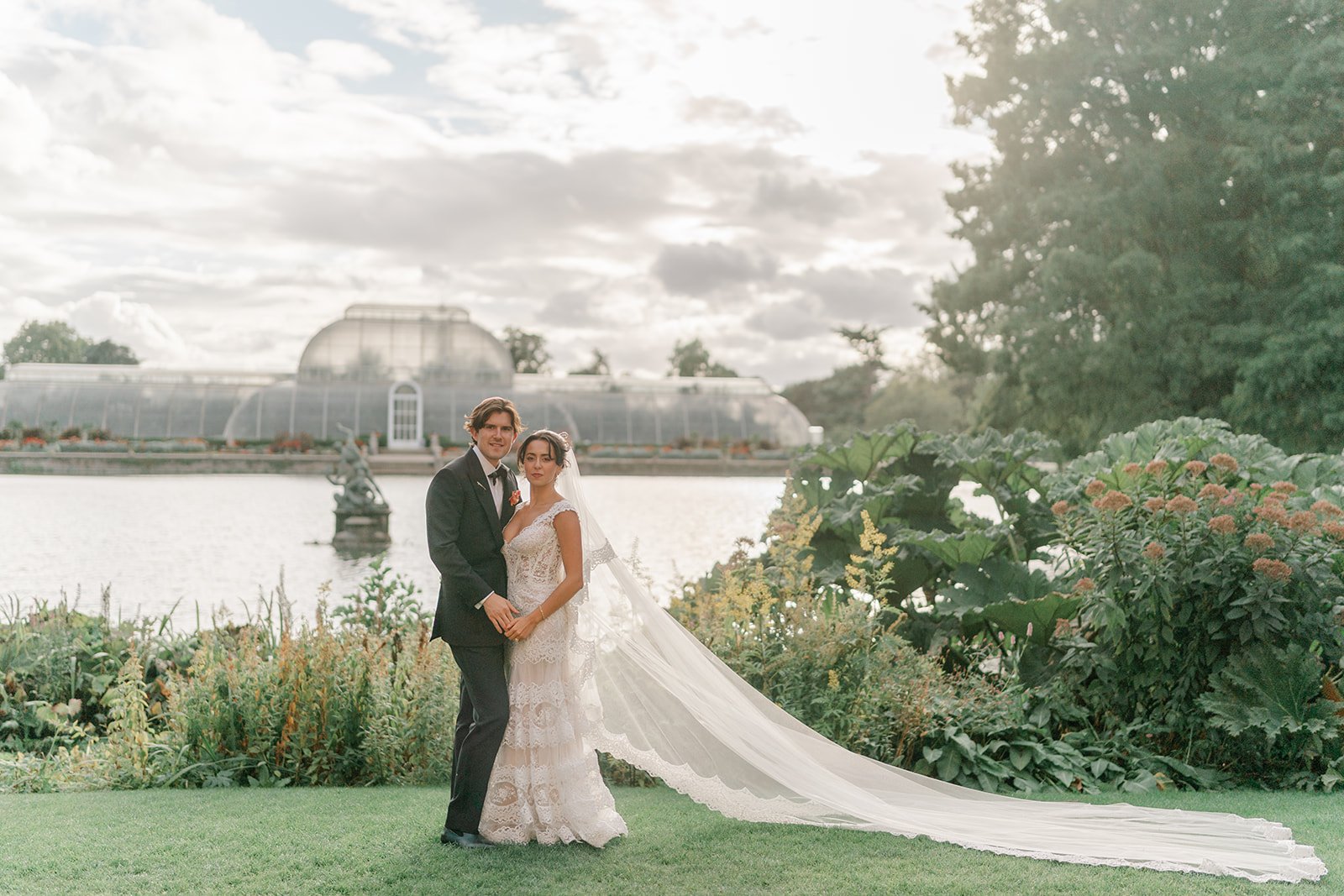
Annabel & Oli’s Wedding at Kew Gardens

We planned Annabel and Oli’s wedding at Kew Gardens, making use of three breathtaking spaces including the inimitable Princess of Wales Conservatory, and hosted a really magical day. Click here to explore this beautiful London wedding venue as they experienced it on their wedding day, with images by Lucie Watson.
Hiring a marriage planner becomes more of a necessity because the years go by, and I might argue much more so should you’re booking a venue akin to those discussed here. These sorts of venues, while fabulous, include their very own quirks and eccentricities which may make planning tougher and complicated than at, say, a London hotel or an Italian borgo designed for weddings. The mix of being open and available for the general public and tourists and on your wedding requires your venue to wear many hats, and having a marriage planner in your team ensures you usually have someone who’s 100% advocating for you.
Get in contact to book full service wedding planning for 2027.