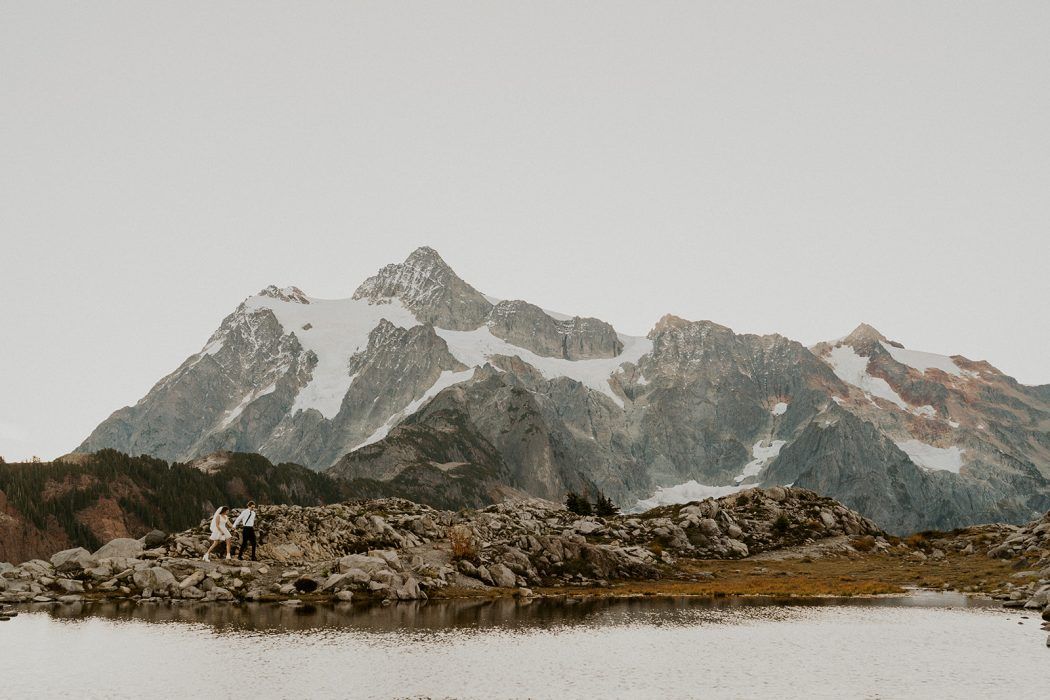
All images in this text belong to Lyndsey Greene Photography
By the point you’ve chosen a far-away destination in your wedding, sustainability may not look like the simplest box to envision. Flights, rentals, florals, and food all add layers of complexity to even probably the most rigorously considered plans. But as wedding photographer Lyndsey Greene has learned from documenting intimate celebrations across the Pacific Northwest and Alaska, sustainability isn’t about perfection—it’s about intention.
“True sustainability is most impactful when it’s woven into day-to-day decisions and habits,” Greene says. “Small, intentional selections—each during wedding planning and in on a regular basis life—add as much as meaningful change over time.”
In other words, the greenest destination weddings aren’t necessarily those that look probably the most minimalist or have the smallest guest count. They’re those grounded in purpose, guided by respect for the place, and planned with curiosity about how every selection connects to the land and the individuals who call it home.
What’s an Eco-Friendly Destination Wedding, Really?
On the subject of sustainability, the marriage industry tends to give attention to things—locally sourced flowers, compostable dinnerware, or pre-loved attire. And while those tangible details do make a difference, Greene believes the more powerful change happens when couples take a step back and take a look at the larger picture.
“Sustainability is a holistic mindset,” she explains. “It’s about intentional decisions throughout the marriage, from guest count and travel considerations to venue selection and vendor practices. Couples are sometimes making sustainable selections without realizing it, just by being thoughtful concerning the decisions they make.”
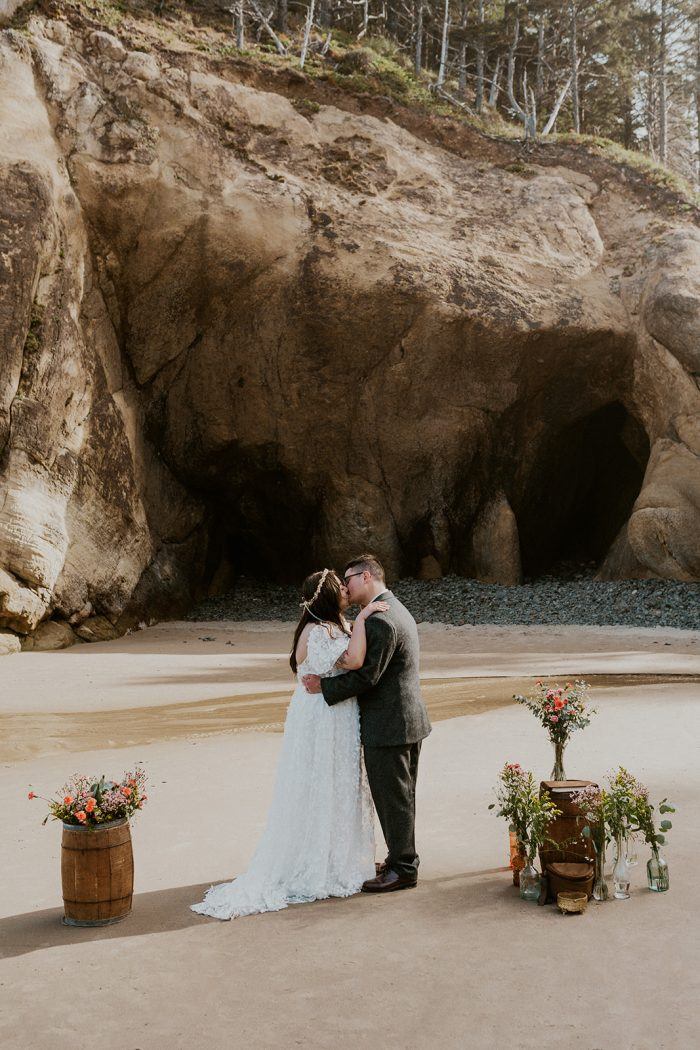
An eco-friendly destination wedding, then, isn’t a rigid checklist. It’s a framework that encourages couples to think critically about how their celebration impacts their chosen location—and the way their spending can, in turn, support it.
That may mean hiring a locally owned catering company that sources regional ingredients. It could mean finding a venue that invests in renewable energy or water conservation. Or it would simply seem like selecting to host a smaller gathering, where travel and resource use are naturally reduced.
The Biggest Challenges of Planning Sustainably Abroad
Destination weddings include a built-in layer of trust. Couples often book vendors sight unseen, which implies sustainability claims may be hard to confirm from afar.
“One among the best challenges couples face when planning a sustainable destination wedding is navigating the method from a distance,” Greene says. “It will probably be difficult to completely confirm how materials are sourced, how waste is handled, or whether a venue’s eco-conscious claims truly align along with your values.”
This doesn’t mean it’s not possible—it just requires somewhat more intention. Greene suggests researching local environmental regulations, reading reviews with a watch for a way vendors source and handle waste, and leaning on recommendations from other eco-conscious couples or planners who concentrate on sustainable events.
“With careful planning and the precise local team,” she says, “it’s absolutely possible to create a celebration that’s each mindful and meaningful.”
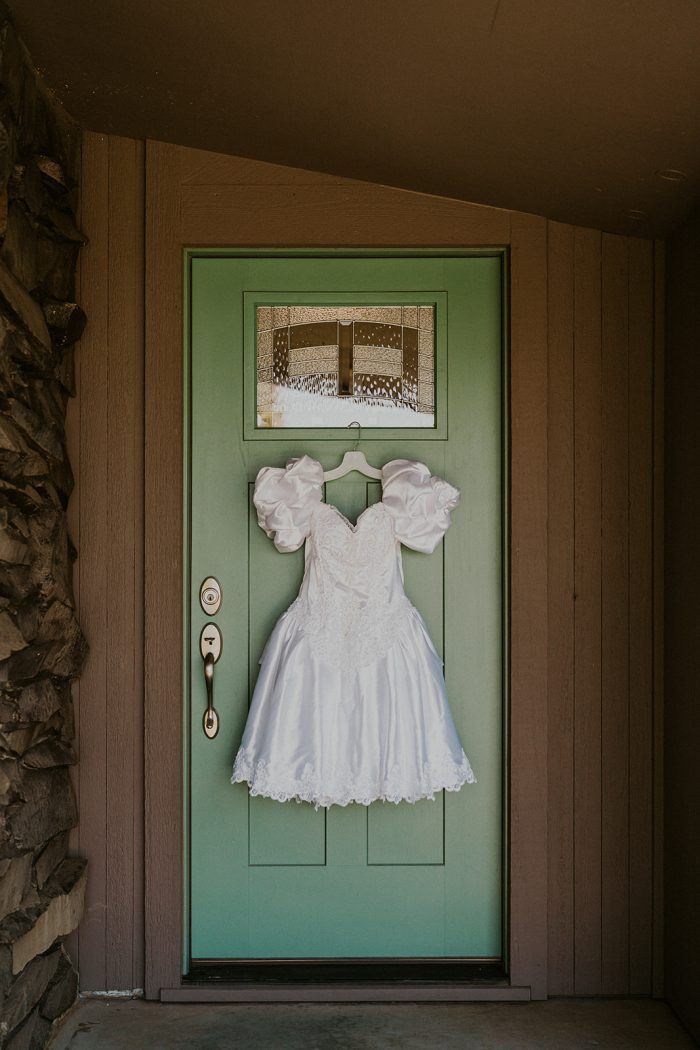
7 Suggestions for Planning an Eco-Friendly Destination Wedding
Lyndsey Greene’s experience photographing intimate weddings all over the world has given her a front-row seat to what actually works in practice. Listed here are her seven key takeaways for planning a marriage that’s as sustainable because it is stunning.
1. Start With Your Guest List
The one biggest consider your wedding’s carbon footprint is travel. Fewer guests mean fewer flights, automobile rentals, and hotel stays—and more time spent deeply connecting with the individuals who matter most.
2. Collaborate With Eco-Conscious Vendors
“Every vendor plays a significant role in shaping a more sustainable wedding,” Greene explains. “When everyone on the team is aligned, it becomes much easier to create a celebration that’s not only visually stunning but in addition thoughtfully sustainable.” Search for planners, florists, and caterers who share your values and might advise on lower-impact options.

3. Let the Location Do the Work
Select a venue that already reflects the form of beauty you would like to rejoice. “True luxury doesn’t come from excess,” Greene says. “It comes from intention.” An area with striking natural scenery or strong architectural design means less need for décor and florals, lowering each costs and impact.
4. Source Locally, Wherever You Go
Local vendors know the region’s seasonal produce, native flowers, and sustainable materials higher than anyone. Hiring inside your destination supports the community and reduces emissions from transport.
5. Rethink Traditional Décor
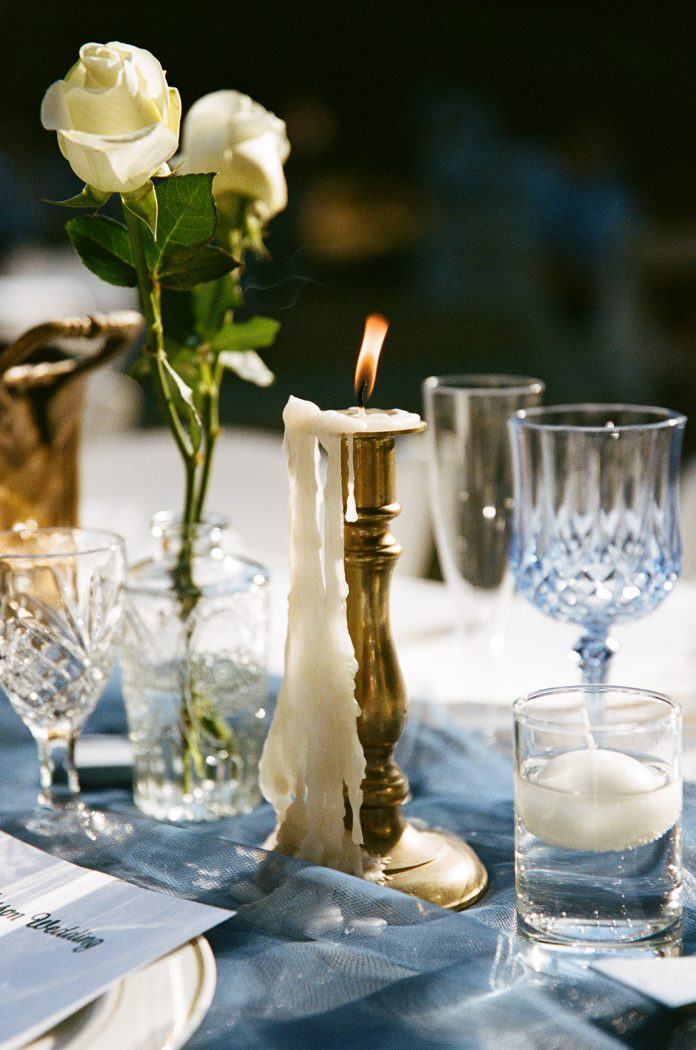
Consider secondhand or rented pieces as an alternative of single-use items. Many couples now source vintage candleholders, glassware, or linens through local rental firms. It’s not only more sustainable but in addition gives your wedding a novel, lived-in beauty.
6. Be Mindful of Local Cultures and Communities
Destination weddings are about greater than the scenery. Greene emphasizes the importance of understanding the place itself. “It begins with learning concerning the location’s history and the communities which have shaped it,” she says. “Being mindful means understanding how your celebration and tourism can impact the community, each positively and negatively.” Approach your destination with respect and curiosity—acknowledge whose land you’re on, and provides back where possible.
7. Give Yourself Grace
No wedding is ever perfectly sustainable, and that’s okay. Greene’s advice? “Couples can do their best to make conscious decisions, but the fact of our consumer-driven world means it isn’t at all times possible to be 100% green. Even meeting a few of your sustainability goals is an accomplishment.”
Your Questions About Eco-Friendly Destination Weddings, Answered
Are sustainable weddings dearer?
Not necessarily. Greene notes that sustainability often goes hand-in-hand with simplicity. Smaller guest lists, locally sourced menus, and minimal décor can actually reduce costs. “Sustainability becomes achievable, and even effortless, when couples set their goals early and communicate them clearly to their vendors,” she says.
Can an eco-conscious wedding still feel luxurious?
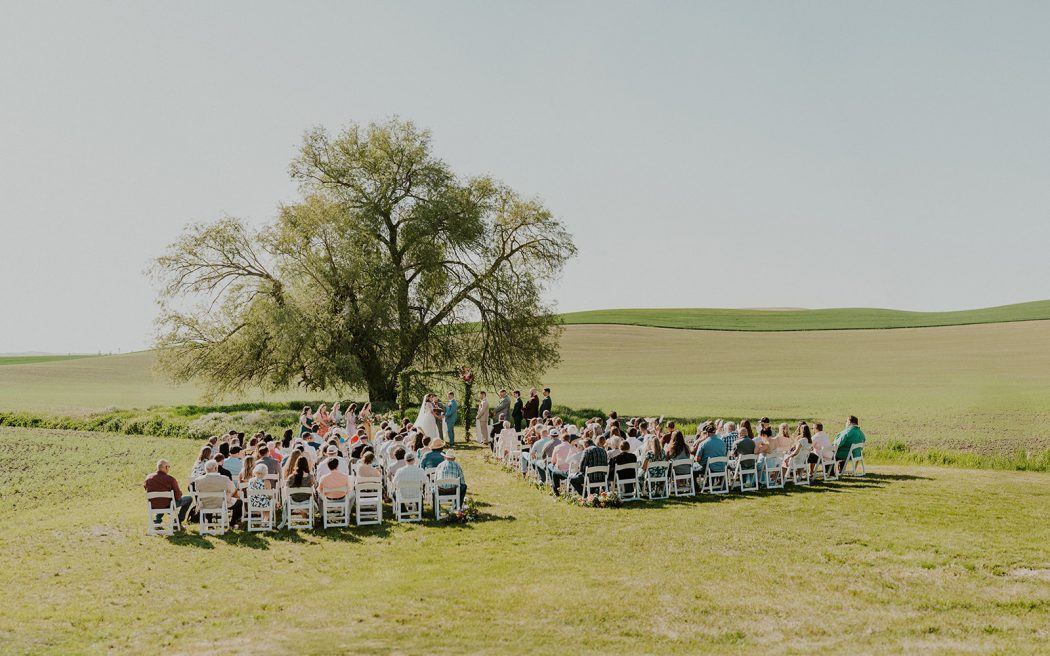
“Absolutely,” says Greene. The bottom line is to decide on a venue or landscape that carries its own beauty. Think lush gardens, mountain lodges, or coastal resorts with a natural sense of place. “By letting the setting speak for itself, you reduce the necessity for excessive florals or elaborate décor,” she explains. “Essentially the most refined weddings often allow architecture and landscape to take center stage.”
How can couples make certain vendors are truly sustainable?
Ask specific questions on sourcing, waste management, and transportation. Review their online portfolios for evidence of local partnerships or reusable materials. “Transparency is vital,” Greene says. “A trustworthy vendor can be pleased to share the steps they’re taking.”
What’s one small change that makes a huge impact?
Greene points to food sourcing. Selecting a caterer who uses local, seasonal ingredients can dramatically reduce your event’s carbon footprint. In considered one of her favorite weddings, each partners were sustainable fishermen and personally caught the fish served at dinner—a selection that completely reflected who they were.
Final Takeaway: Intention Over Perfection
Planning an eco-friendly destination wedding is, at its core, about mindfulness. It’s about slowing down enough to know the place you’re celebrating, the individuals who make it possible, and the lasting imprint your selections leave behind. “I’d slightly see everyone making small changes than only just a few people making large ones,” Greene says.
Whether your celebration takes you to a coastal villa, a forest retreat, or a mountaintop resort, the trail to sustainability starts with awareness. And when your day reflects that awareness—when every decision feels deliberate, personal, and connected—you’re not only throwing a marriage. You’re honoring the world that made it possible.