Written by the WeddingPlan360 planning team. Venue names come from the resorts’ own published material; anything that must be confirmed case by case - specific menus, outside performers - is flagged rather than promised.
A Chinese destination wedding in Mexico works beautifully - tea ceremony included - if you plan three things deliberately: a private, unhurried space for the tea ceremony, a kitchen that can genuinely deliver a Chinese banquet rather than a token nod to one, and a timeline that respects how much happens in one day. Plenty of couples also blend traditions: a Western-style vow exchange on the beach, the tea ceremony with family, a banquet reception that would make any grandmother approve. Here is how we plan it, and why our anchor recommendation is Moon Palace Cancun.
The tea ceremony sets the schedule - give it a real space
The tea ceremony is the heart of the day: serving tea to parents, grandparents and elder relatives in order of seniority, receiving blessings and often red envelopes and gold jewellery in return. It is intimate, it involves kneeling or bowing, and it should never be rushed or performed in a hallway between other events.
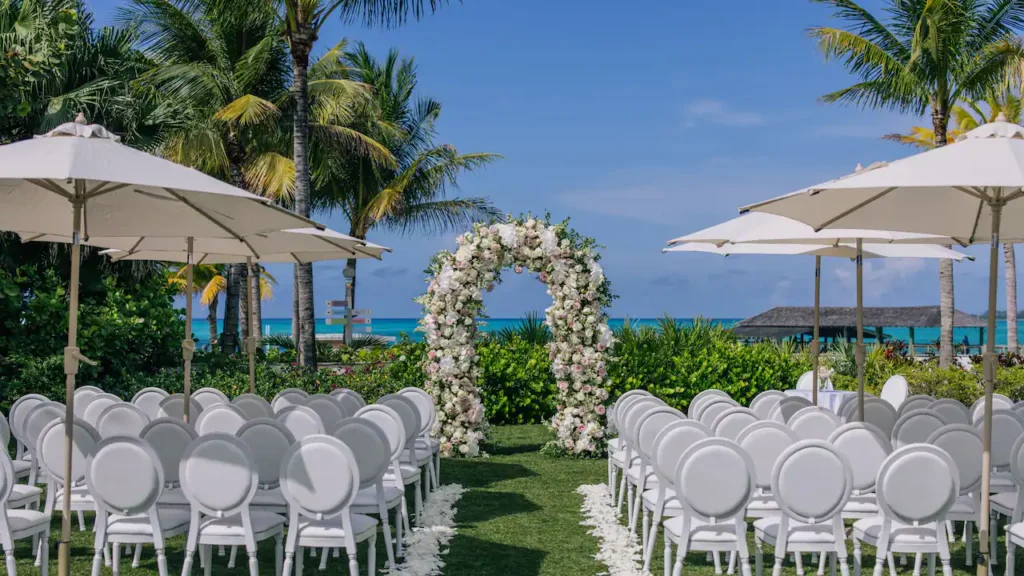
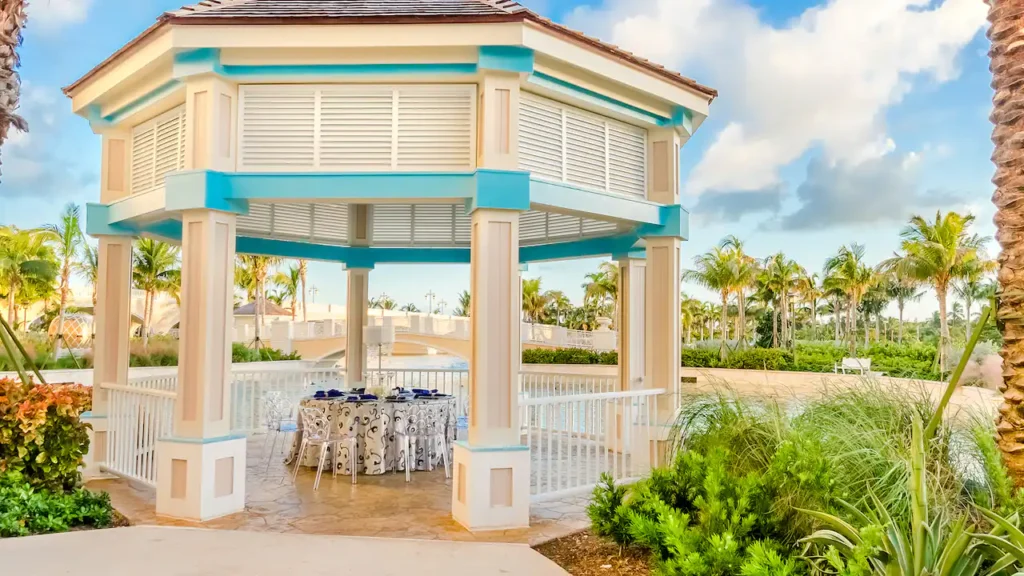
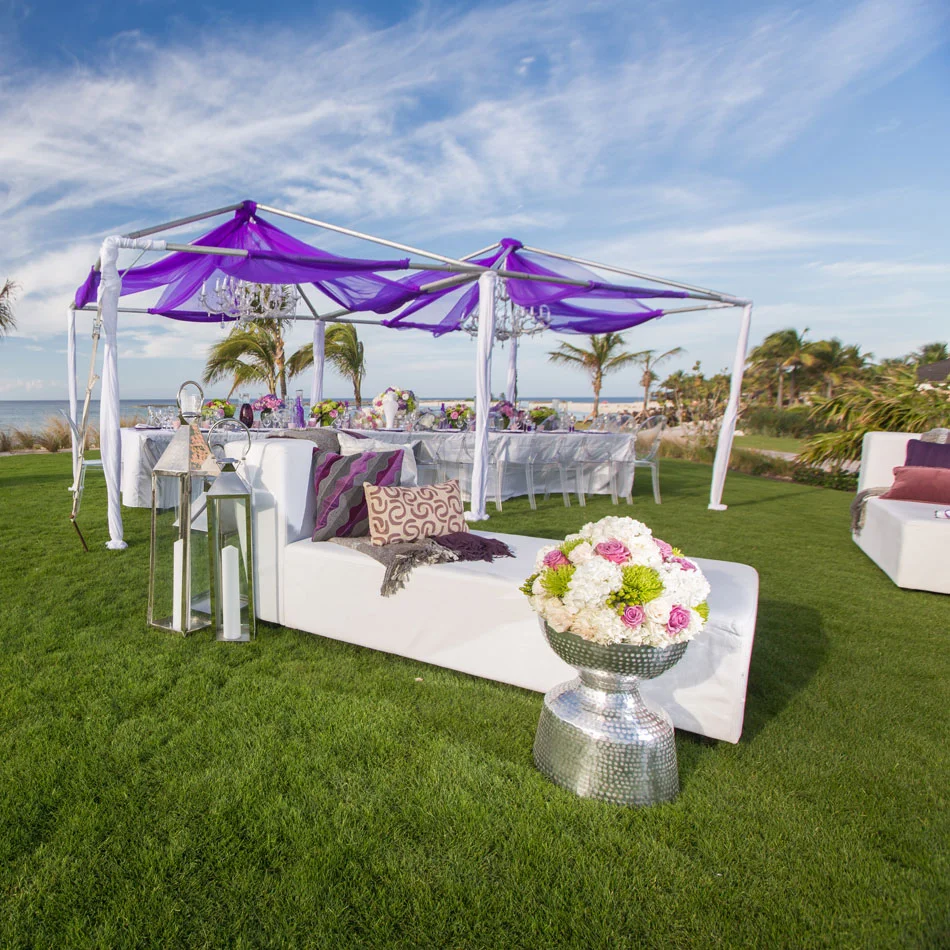
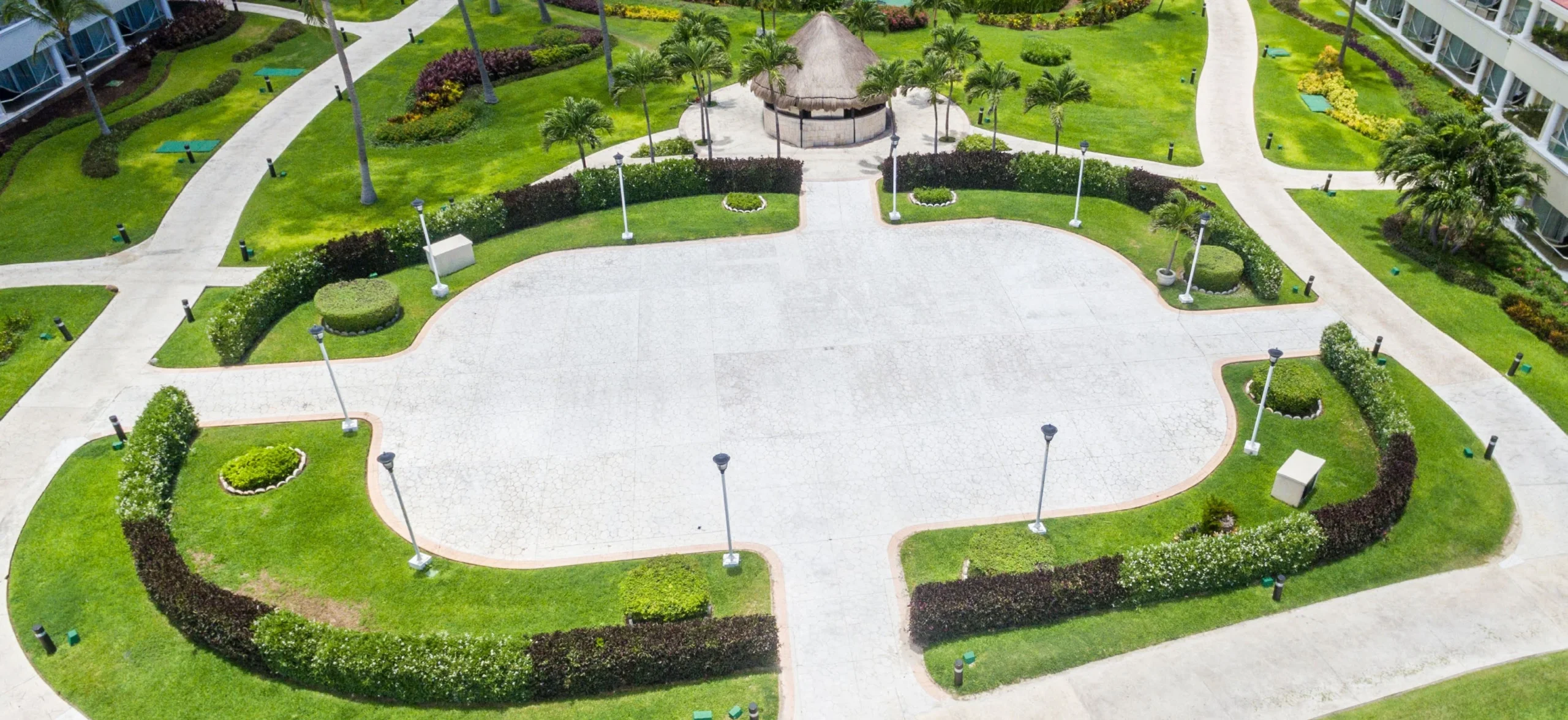
At a resort this translates to booking a genuinely private venue slot - not a corner of a shared space. Moon Palace Cancun’s published venue range is why we start there: garden settings like the Chapel Garden and Meditation Garden suit a morning tea ceremony’s quiet formality, the Lake Terrace and Venado Terrace give an elegant outdoor alternative, and the ballrooms carry the banquet at night. One property, three distinct spaces, no guest transport between them.
Practical details we plan around: a low table or kneeling cushions (a décor build we arrange), Mexico’s heat - a morning or late-afternoon slot keeps formal attire and hot tea comfortable - and photography positioned for faces, because the expressions during the tea ceremony are the photographs your family will frame.
The banquet is a menu conversation - have it early
A Chinese wedding banquet is not “Asian-inspired canapés”. It is a multi-course, family-style meal where the dishes themselves carry meaning - fish for abundance, noodles for longevity, duck, lobster, a sweet soup to close. Whether a resort kitchen can deliver that properly is the single most important venue question for a Chinese wedding.
This is a real strength at Moon Palace: from our own planning work with the resort, its kitchens handle Chinese cuisine genuinely well - it is one of the reasons we anchor Chinese and multicultural weddings there. The exact banquet menu is still a per-event conversation with the culinary team (courses, service style, and any dish your family considers non-negotiable), and we run that conversation for you during planning rather than leaving it to the wedding week.
Two structural notes. Family-style service for a large guest list needs the right table setup - round tables of ten with lazy susans are the classic build, and they are a décor item to specify early. And if your guest count is large, ask us about the arrangements where guests’ all-inclusive bookings cover the celebration - at select resorts the banquet stops being a per-person line entirely.
The traditions that travel well - and how they land at a resort
- Double happiness (嚣) - the symbol goes anywhere print and décor go: welcome signage, the tea ceremony backdrop, table cards, the cake. Red and gold décor reads gorgeously against Mexican light - lanterns and florals photograph especially well at sunset.
- The door games - the groom and groomsmen earning entry works exactly the same at a resort suite door as at home; we just make sure the suite corridor is private for it.
- Dress changes - many brides wear a white gown for the ceremony and a qipao or a red gown for the tea ceremony or banquet. We build the timeline (and a staging room) around each change so none of them are sprints.
- Red envelopes - a secure box and a designated family member; simple, but worth assigning in advance.
- Lion dance and performers - this one we flag honestly: a lion dance troupe is an outside-vendor arrangement, not a resort menu item, and availability in Mexico varies by city and date. Tell us early if it matters to you and we will source and price it through our vendor network - vendor sourcing is something we do in house, at no charge.
Symbolic or legal?
Like every wedding in Mexico, only a civil ceremony is legally binding there. Nearly all of our couples marry legally at home and hold the celebration in Mexico symbolically, which keeps the trip paperwork-free - the full mechanics are in our symbolic vs legal guide. Blending ceremonies is completely normal here: a Western vow exchange and a tea ceremony on the same day, or a tea ceremony alone as the formal act.
What it costs
A Chinese destination wedding prices like any wedding of its size - our cost guide covers the structure. The items specific to you are décor builds (tea ceremony setup, banquet tables, red-and-gold styling) and any imported performers. Our planning service is free to couples - resorts pay us, we charge no planning fees, and our contracted wholesale room rates are a real reason more of your invited guests say yes: the trip becomes affordable enough that family treat it as their vacation. Start the conversation 12 to 18 months out and every one of these choices stays open.
Frequently asked questions
Can we hold a traditional tea ceremony at a Mexico resort?
Yes - it needs a genuinely private venue slot, a low table or cushions, and an unrushed block of time, all of which we arrange. Garden and terrace venues suit it especially well; we typically schedule it morning or late afternoon for comfort in formal attire.
Can the resort serve a real Chinese banquet?
At the right resort, yes. Moon Palace Cancun’s kitchens handle Chinese cuisine genuinely well, which is why it is our anchor recommendation - and the specific banquet menu is a conversation we run with the culinary team during planning, so courses and must-have dishes are agreed long before the wedding week.
Can we do both a Western ceremony and the Chinese traditions?
Absolutely - it is the most common shape we plan: vow exchange on the beach or in a garden, tea ceremony with family, banquet in the evening. The timeline and dress changes are the real planning work, and that is our job.
Can we have a lion dance in Mexico?
Sometimes - it is an outside-vendor arrangement and availability varies by city and date, so it is confirmed per event rather than promised. Tell us early and we will source and price it through our vendor network.
Which resort should we start with?
We start most Chinese wedding conversations at Moon Palace Cancun - venue variety for the tea ceremony, kitchens that genuinely handle the cuisine, and capacity to 2,500 for the biggest celebrations. Book a free planning call and we will shortlist against your guest list and dates.